Difficult Things About The Best Data Recovery

Losing important data can be stressful, whether it’s personal files, business documents, or entire system failures. Fortunately, data recovery services exist to help retrieve lost information, but the process isn’t always simple. Even the best data recovery specialists face challenges, and understanding these difficulties can help you set realistic expectations when seeking help.
1. Data Recovery Is Not Always Guaranteed
One of the biggest misconceptions about data recovery is that lost files can always be restored. The truth is, successful recovery depends on several factors, such as:
- How the data was lost: Accidental deletion, formatting, or corruption may still allow recovery, while physical damage can make it more difficult.
- How much the drive has been used since the data was lost: If new data has been written over it, the chances of full recovery drop significantly.
- The type of damage: Mechanical failures, like a broken hard drive, require specialized tools, and some cases are beyond repair.
This is why it’s crucial to stop using a device as soon as data loss occurs and seek professional help.

2. Physical Damage Can Make Things Complicated
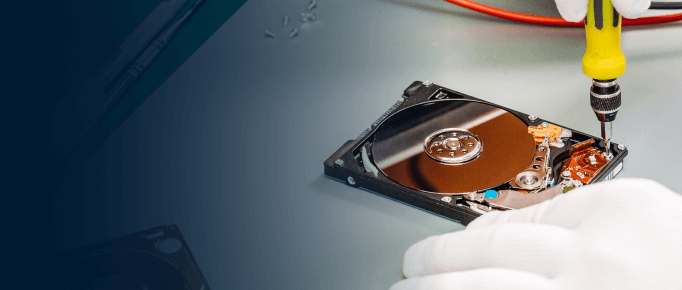
Hard drives, SSDs, and other storage devices are delicate. Drops, water damage, overheating, and power surges can all cause major issues. When a device has physical damage, data recovery specialists have to work in clean room environments to avoid further harm.
What Happens in a Clean Room?
- The device is carefully opened in a controlled environment free from dust and static.
- Engineers inspect and repair internal components like read/write heads and platters.
- Once the drive is stable, they attempt to extract data using specialized tools.
Not all damage can be fixed, but with the right expertise, a lot of data can be saved.
3. Software Corruption and Deleted Data
Sometimes, the problem isn’t with the hardware but with the software. Corrupted file systems, viruses, and accidental formatting can make data inaccessible. In these cases, experts use advanced tools to scan the drive and rebuild lost files.
Common Causes of Software-Related Data Loss:
- Accidentally deleting files or formatting a drive
- System crashes and failed updates
- Malware or ransomware attacks
- Corrupted partitions or boot sectors
Even when files seem permanently deleted, they may still be recoverable—unless they’ve been overwritten. That’s why it’s important to avoid saving new data on the affected drive until recovery is attempted.
4. The Cost of Data Recovery
Data recovery can be expensive, depending on how difficult the process is. Simple recoveries, like retrieving deleted files, may be affordable, while complex cases—especially physical damage—require more time, expertise, and specialized equipment.
What Affects the Price?
- Severity of damage (physical repairs cost more)
- Type of storage device (HDD, SSD, RAID arrays, etc.)
- Amount of data to be recovered
- Urgency of the recovery request
Before any work begins, reputable recovery companies provide a detailed report outlining the chances of success, estimated time, and cost. This helps you make an informed decision.
5. Data Security Matters
If you’re recovering sensitive personal or business data, security is a major concern. A good data recovery company should follow strict privacy policies, ensuring that your files are protected from unauthorized access.
Key Security Measures in Data Recovery Labs:
- Encryption to prevent unauthorized access to recovered files
- Limited access to sensitive data
- Compliance with industry standards (e.g., GDPR, HIPAA)
Before choosing a service, it’s a good idea to check their privacy policies and customer reviews.
Final Thoughts
Data recovery can be a complex process, and while professionals can retrieve lost files in many cases, it’s not always guaranteed. The best way to protect your data is through regular backups and safe storage practices.
If you do experience data loss, acting quickly and seeking help from a reliable recovery service gives you the best chance of getting your files back. Just keep in mind that physical damage, software corruption, and security concerns all play a role in how the process unfolds.
By understanding these challenges, you can set realistic expectations and make informed choices when looking for a data recovery solution.