Advanced Data Recovery Solutions to Protect Your Files

Losing data feels like losing a part of your digital life. One moment, your files are safe, and the next, they’re gone because of a damaged device, a cyber attack, or even a burned mobile. I’ve seen how devastating that moment can be. Yet, with today’s advanced data recovery solutions, it’s possible to restore what was lost and regain control of your information.
Every file tells a story, whether it’s a business record, a personal photo, or confidential data. That’s why I take every recovery case seriously. Through careful analysis, modern tools, and proven computer forensics services, even the most damaged devices can reveal valuable data.
Understanding the Importance of Data Recovery
Data recovery is not just about restoring files; it’s about protecting memories, business operations, and sensitive information. When a system crashes or a phone burns, people often assume their data is gone forever. However, in many cases, recovery is still possible.
By using specialized forensic tools and technical expertise, I can extract information from drives, mobile devices, and cloud systems. This process ensures that digital evidence remains intact while restoring lost content safely. Moreover, data protection practices go hand in hand with recovery, helping prevent future loss.
Common Reasons for Data Loss
Data loss can happen in countless ways. Hardware failures, accidental deletions, or malware attacks are among the most common. In some cases, physical damage, such as fire or water exposure, leads to a burned mobile or destroyed storage device.
Because data is fragile, I always stress the need for backup systems and secure storage methods. Still, even without a backup, modern forensic tools can help recover much of what was lost. Each case begins with a full analysis to determine how much data remains accessible and how best to retrieve it.
Burned Mobile: Recovery from Extreme Damage
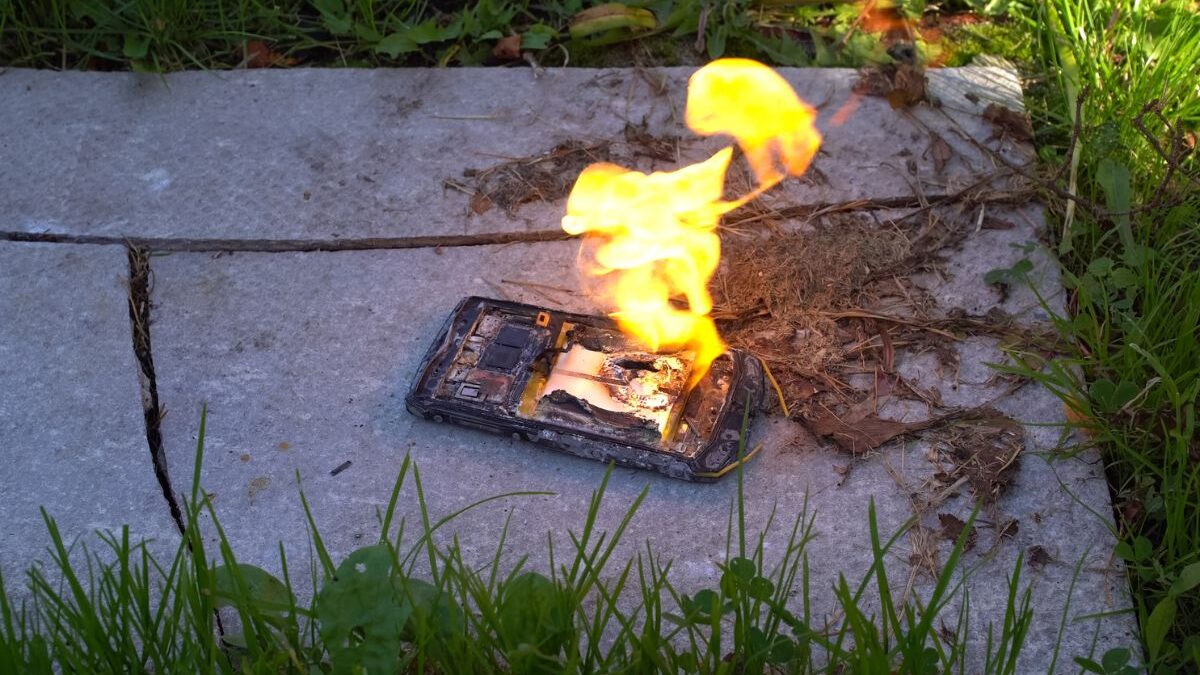
Recovering data from a burned mobile is one of the most challenging tasks in the field. Fire can damage chips, circuits, and connectors, making direct extraction difficult. However, with mobile phone forensics, there’s still hope.
I start by inspecting the physical components, isolating usable chips, and connecting them to specialized readers. From there, I use forensic software to decode, reconstruct, and extract files. This process takes patience and precision, but it can often bring back photos, contacts, or even chat histories that seemed lost forever.
Furthermore, every step must follow forensic standards to preserve the integrity of the recovered information, especially when it may serve as legal evidence.
How Computer Forensics Services Support Data Recovery
Data recovery and computer forensics services often work together. When a data loss involves suspicious activity, such as hacking or internal theft, forensics helps uncover how it happened. I analyze log files, email trails, and digital footprints to identify the cause.
In addition, forensics ensures that recovered data is admissible in legal investigations. This process prevents tampering, maintains documentation, and preserves authenticity. For businesses, this dual approach, recovery plus forensics, strengthens both their operational continuity and legal standing.
Mobile Phone Forensics and Modern Technology
Phones today hold everything from personal messages to corporate records. Therefore, mobile phone forensics has become a vital part of data recovery. When a device is damaged, locked, or wiped, I use secure forensic tools to extract usable data without altering the original content.
These tools help access encrypted files, deleted texts, call logs, and even app data. For companies, this can reveal how a breach occurred or confirm whether sensitive information was leaked. By combining forensic accuracy with recovery methods, I ensure that every recovered file remains both usable and verifiable.
The Role of Data Protection in Recovery
Recovering data is one step; protecting it afterward is another. Once I help clients restore lost files, I focus on data protection to prevent future loss. This includes setting up secure backups, using encryption, and implementing access control policies.
Moreover, I guide clients on how to respond to incidents quickly. Regular security audits, for instance, can identify weak points before attackers exploit them. Because prevention is always better than recovery, these protective layers keep valuable data safe even when devices fail.
Real-World Example: From Burned Mobile to Full Recovery
Not long ago, a small business owner came to me after a fire damaged their office. Among the destroyed equipment was a burned mobile that contained crucial client communications and payment records. At first, it seemed impossible to retrieve anything.
Through detailed chip-off recovery and forensic decoding, I managed to recover over 80% of the data. Those files helped the owner continue operations without major losses. This case reminded me how powerful modern recovery tools can be, and how essential it is to handle them with care and expertise.
Choosing the Right Recovery Partner
Selecting a reliable recovery provider matters as much as the recovery process itself. A trustworthy team combines computer forensics services with practical recovery techniques. They understand both the technical and legal aspects of data handling.
Before hiring a provider, I recommend checking their certifications, experience, and confidentiality policies. After all, you’re trusting them with your most valuable digital assets. The right experts not only restore your data but also secure it against future risks.
The Future of Data Recovery and Forensics
As technology advances, so do recovery and forensic techniques. Artificial intelligence, automation, and advanced imaging now help reconstruct even the most corrupted data. At the same time, encryption and security improvements make protection stronger.
Still, every new solution brings new challenges. That’s why I keep learning, adapting, and refining my approach. The future of data recovery lies in combining technology with human insight, a balance that ensures both accuracy and trust.
Conclusion
Data loss can happen to anyone, but it doesn’t have to be the end of the story. With advanced data recovery solutions, I help individuals and businesses restore files, protect sensitive data, and rebuild digital security.
Whether it’s a burned mobile, a corrupted drive, or a cyber attack, there’s almost always a way to bring your data back. By pairing recovery with computer forensics services and strong data protection practices, you can face digital threats with confidence.
In the end, protecting your files means protecting your story, and that’s something worth saving.