Data Recovery Solutions: Rescuing Files from Disaster

In today’s digital age, data is everything. From personal memories like photos and videos to critical business documents and financial records, we rely on digital files for almost every aspect of our lives. However, the reality is that data loss can happen to anyone at any time. Whether it’s due to accidental deletion, hardware failure, a system crash, or even a malicious cyberattack, losing important data can be a devastating experience.
Fortunately, data recovery solutions offer a lifeline, allowing individuals and businesses to retrieve lost files and restore important information. In this article, we will explore the causes of data loss, the different data recovery methods, and how to safeguard your data against future disasters.
Understanding Data Loss: Common Causes
Data loss can occur for a variety of reasons. Understanding the root causes of data loss can help you take proactive steps to prevent it and ensure you’re prepared in the event of an emergency.
1. Hardware Failures
One of the most common causes of data loss is hardware failure. Mechanical hard drives, in particular, are vulnerable to physical damage. When components like the read/write head, motor, or platter inside the drive fail, the data stored on the drive can become inaccessible. Solid-state drives (SSDs) are less prone to mechanical failures, but they can still suffer from issues like wear and tear or sudden power loss.
2. Accidental Deletion
Sometimes, the most common causes of data loss are human error. Files can be accidentally deleted, moved to the wrong location, or overwritten without realizing it. This can be particularly frustrating when important files seem to disappear without warning.
3. System Crashes and Corruption
Operating system failures, software crashes, or corrupt files can render your data unreadable. This can happen due to issues like operating system bugs, conflicts between software programs, or problems caused by malware. When the file system becomes corrupted, it can make your data inaccessible.
4. Ransomware and Malware Attacks
Cyberattacks like ransomware and malware infections can lead to devastating data loss. Ransomware encrypts files and demands a ransom payment in exchange for the decryption key. Malware, on the other hand, can corrupt, steal, or erase data on your computer or network.
5. Natural Disasters or Physical Damage
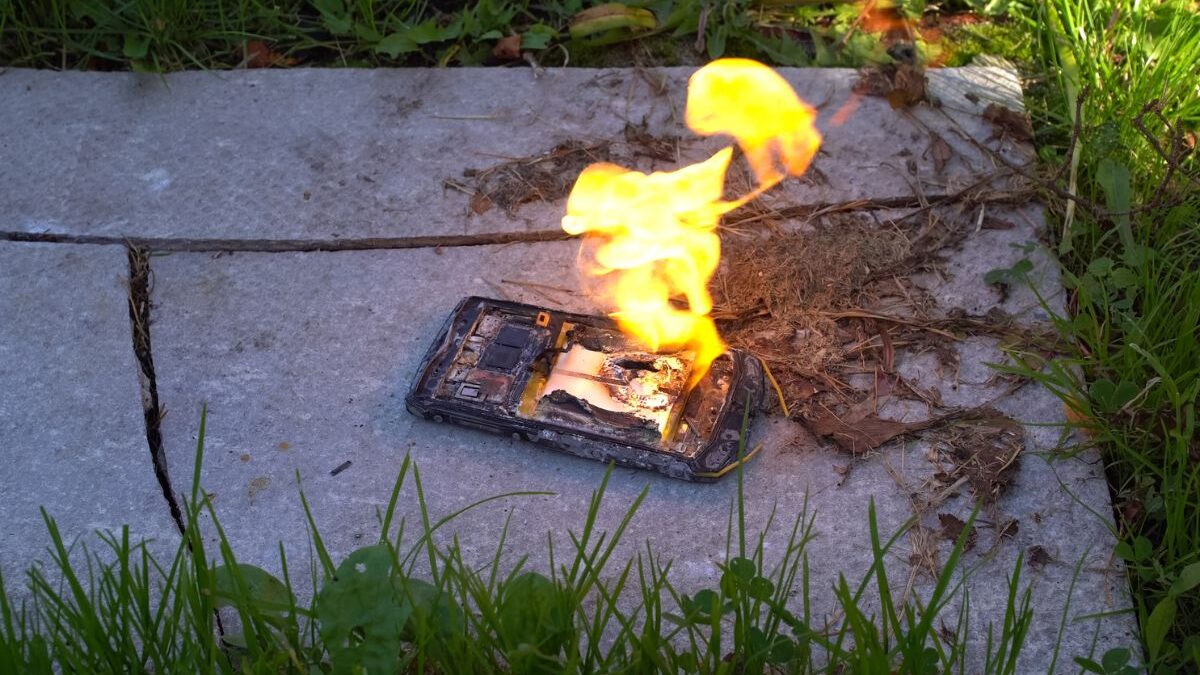
Floods, fires, power surges, and other natural disasters can physically damage hardware and cause significant data loss. Even accidents like dropping a laptop or spilling water on a computer can result in severe damage to your devices.
6. Network Failures
Data loss can also occur when network failures or server crashes disrupt data access or transfer. In cases where data is stored remotely, such as in cloud storage or on a remote server, a network outage or server issue can prevent you from retrieving your files.
The Importance of Data Recovery Solutions
When faced with the prospect of data loss, it’s crucial to have data recovery solutions in place. These solutions help you recover files from damaged or corrupted drives, providing a way to salvage important information when it seems lost forever. Data recovery can range from simple software-based solutions to complex hardware repairs performed by experts.
Types of Data Recovery Solutions
-
Software-Based Data Recovery
Software-based data recovery is the most common and often the first solution people try when attempting to recover lost files. There are various data recovery software programs available that can scan hard drives, memory cards, USB drives, and other storage media to find and restore deleted or corrupted files. These tools typically work by scanning the disk for file fragments or remnants of deleted files that can be pieced together.Some popular data recovery software options include:
- Recuva (free and paid versions)
- EaseUS Data Recovery Wizard
- Stellar Data Recovery
- Disk Drill
Software-based recovery is most effective when the data loss is caused by accidental deletion or simple file corruption, and the storage medium is still physically intact.
-
Physical Data Recovery Services
If the damage to your storage device is more severe—such as physical damage to the hard drive or a system crash—you may need to enlist the help of a professional data recovery service. These services specialize in retrieving data from damaged hard drives, SSDs, and other physical media.Data recovery technicians use specialized tools and cleanroom environments to recover data from damaged devices. The process involves repairing or bypassing damaged components, such as faulty read/write heads or malfunctioning circuit boards, to retrieve the data stored on the drive.
Professional data recovery services are essential when dealing with:
- Physical damage to the device
- Complex file system corruption
- Hardware failures that prevent the device from booting up
-
Cloud Backup and Recovery
Cloud storage solutions like Google Drive, Dropbox, and OneDrive offer built-in data backup and recovery features. Files stored in the cloud are automatically saved on remote servers, which means that if your local device suffers a failure, your data is safe and can be restored quickly. Many cloud storage services have versioning, allowing you to restore earlier versions of files that may have been accidentally altered or deleted.Cloud-based data recovery can be a lifesaver in the event of a hardware failure, as the data is not stored on the physical device itself. However, the effectiveness of cloud recovery depends on the frequency of backups and the integrity of your cloud provider’s service.
-
RAID Data Recovery
For businesses or individuals using RAID (Redundant Array of Independent Disks) configurations to store critical data, RAID data recovery can be more complex. RAID arrays involve multiple hard drives working together to improve performance and data redundancy. When one or more drives fail in a RAID setup, data recovery can be challenging, and specialized tools and expertise are needed to recover the data.RAID data recovery professionals use advanced techniques to rebuild damaged arrays, recover lost data, and ensure that the data remains intact.
Best Practices for Preventing Data Loss
While data recovery solutions are invaluable, the best approach to protecting your data is to prevent data loss from happening in the first place. Here are some essential practices to safeguard your important files:
-
Regular Backups
Always keep multiple backups of your important data. Use external hard drives, cloud storage, or a combination of both to back up your files. Automate backups to ensure your data is regularly saved without the risk of forgetting. -
Use Reliable Storage Devices
Invest in high-quality storage devices, such as SSDs or reliable hard drives, to reduce the risk of hardware failure. If possible, use devices that are known for their durability and reliability. -
Keep Your Software and Hardware Updated
Regularly update your operating system, software applications, and drivers to ensure they are secure and running smoothly. Also, keep hardware components in good condition to avoid potential failures. -
Install Antivirus Software
Protect your devices from malware and ransomware attacks by using reputable antivirus software. Regularly scan your devices for threats to prevent damage to your files. -
Use Cloud Services with Versioning
Store your critical files in the cloud, where you can take advantage of versioning features to recover earlier versions of files if they are deleted or corrupted.
Conclusion: The Power of Data Recovery Solutions
Data loss is a serious issue that can occur due to a variety of reasons. Whether it’s accidental deletion, hardware failure, or a cyberattack, the ability to recover lost files can make all the difference. By understanding the available data recovery solutions and implementing best practices for data protection, individuals and businesses can safeguard their valuable information and reduce the impact of disasters.
If you’re faced with data loss, remember that not all hope is lost. From simple software-based recovery tools to professional services for severe damage, there are solutions available to rescue your files and restore peace of mind.